AI-generated image
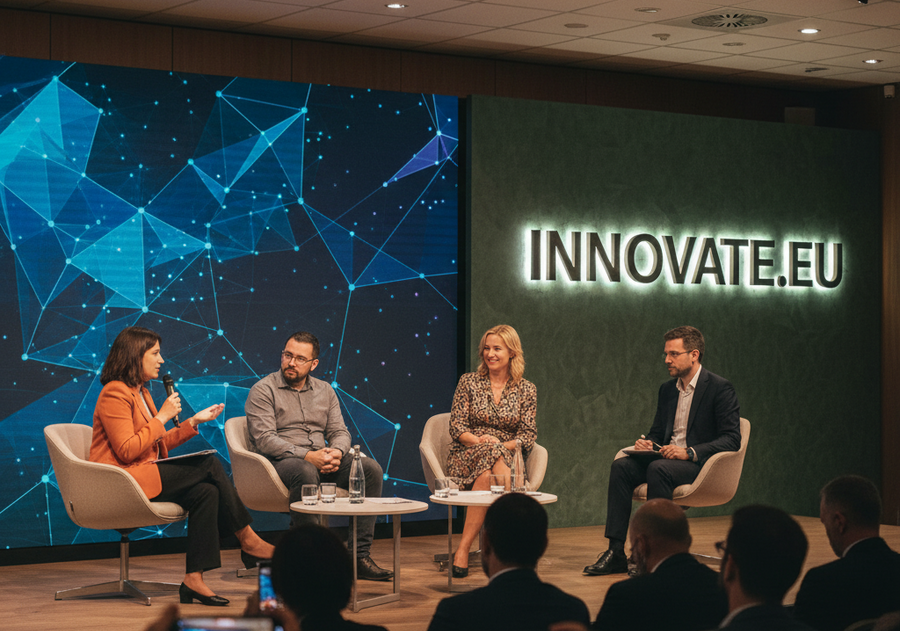
Can Europe truly shape its own AI future, or will it remain dependent on foreign tech powers? That was the pulse beneath every conversation at TechBBQ this year — a shift from fascination with AI’s capabilities to a deeper reckoning with control, ownership, and sovereignty.
The theme 'Emerging from Agency' wasn’t just poetic; it struck a nerve. When Anthropic abruptly restricted access to its AI models outside Europe, it wasn’t just an inconvenience for startups — it was a wake-up call. One founder told me their development pipeline screeched to a halt. Another downplayed it, but even they couldn’t dismiss the long-term risk of relying on U.S. and Chinese-controlled infrastructure. The subtext was clear: if Europe wants a seat at the table, it can’t just be a consumer of AI — it must build and own the stack.
Meredith Whittaker’s panel on privacy cut through the noise. Her warning about AI assistants embedded in operating systems wasn’t just about surveillance — it was about coercion through convenience. She called out the 'data collection apparatus' masked as innovation, and reminded us that privacy isn’t dead — it’s a growing market, especially where sovereignty matters.
Emad Mostaque went further, stating plainly: 'The person that controls the AI controls the country.' That line lingered. It reframed the entire debate — not as a technical challenge, but as a geopolitical one. If intelligent agents handle cognitive labor and robots take physical work, as Mia Negru reflected, then we’re not just automating tasks. We’re redefining who participates in society, how value is created, and who gets left behind.
Yet, amid the urgency, there was warmth. Rooftop barbecues hosted by Nvidia and OpenAI, intimate chats at Bird bar, fire dancers on a Copenhagen island — these moments grounded the conference. Ellen de Brever put it best: in a sea of machine talk, the most powerful force remained human connection. The irony wasn’t lost on anyone.
The takeaway? Europe’s AI journey isn’t just about building better models. It’s about reclaiming agency — over data, over infrastructure, over the future. And that starts not just in labs, but in the relationships forged over late-night drinks and honest conversations.
Curious how these ideas are shaping early-stage investing in Europe? The original piece captures the mood of a continent at an inflection point — worth a full read.
This post has originally been written by TechCrunch on Sat, Aug 29, 26. Find the original post here at TechCrunch

Connie Harrell
Working as an analyst with investors and entrepreneurs to gain the best ROI possible.
Related Posts

Mortgage Automation Startup Elio Launches With ...
Elio launches with $5.1M to rethink mortgage origination using AI and embedded partnerships. Here...

Peak XV ups Surge seed investment ceiling to $5...
Peak XV’s Surge 12 cohort reveals a new era of seed funding — bigger checks, global ambitions, an...
Next 5 VCs judging Startup Battlefield 200 cont...
200 startups. One stage. A panel of top investors and founders. TechCrunch Disrupt 2026 is where ...

Seattle startup Arkero expands English soccer r...
AI isn’t just for highlights—Arkero is using it to transform how soccer clubs run behind the scenes.

Seattle economic study finds strong tech assets...
Seattle’s economy is thriving but at risk — over-reliant on tech giants and a tax model that may ...

Startup Funding Reaches Founders Who Left Silic...
Furo raised $4M from U.S. investors while based in Munich—proof that capital now follows founders...
0 comments