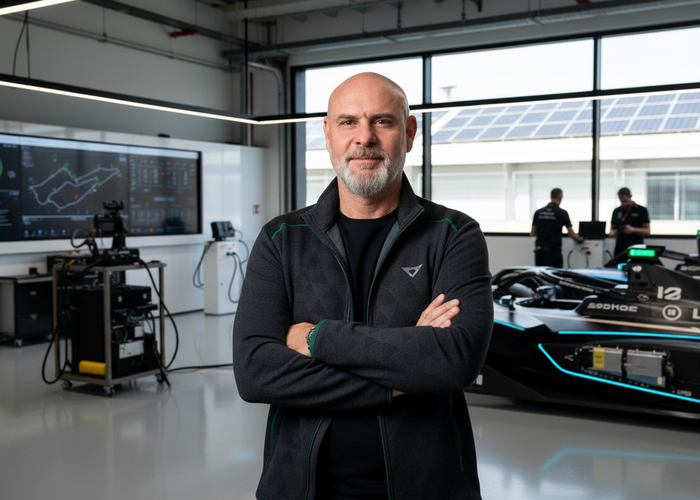
AI-generated image

Navigating Crises in a Hyper-Polarized Era
I've always believed that effective leadership means reading the room, but this piece drives home a stark reality: in our current volatile landscape, trying to stay neutral during a crisis isn't just risky—it's a recipe for disaster. The author brilliantly unpacks how the old crisis management strategies, once reliable, now backfire amid rapid shifts like AI disruptions and deep political divides.
The Pitfalls of the Outdated Playbook
What struck me most is the breakdown of familiar challenges: the blistering speed of social media where silence screams guilt, the erosion of trust in an age of disinformation, and the fragmentation of audiences into tribal echo chambers. Companies like Target and Wells Fargo serve as sobering examples, losing billions not from poor messaging, but from leadership that hesitated or equivocated. Neutrality, the article argues, is perceived as weakness, alienating everyone and inviting attacks from opportunists.
Strategic Shifts for Survival
The insights on moving forward feel spot-on and actionable. Leaders must boldly stake positions aligned with core values, as Nike did with its controversial campaigns, while mapping out stakeholder reactions. Forget pleasing the masses—focus on those 12 to 15 key influencers whose support truly matters. Embrace 'campaign speed' with proactive tools like AI for threat monitoring, and prioritize building trust long before a storm hits. It's messy, it's fast, but it's essential for turning potential pitfalls into resilience.
This article is a wake-up call for any business leader facing uncertainty. I urge you to read the full piece and rethink your crisis approach—your bottom line depends on it.
This post has originally been written by Entrepreneur.com on Tue, Jan 13, 26. Find the original post here at Entrepreneur.com

Connie Harrell
Working with investors and entrepreneurs to gain the best ROI possible.
Related Posts
Why The Future of Electric Vehicles Is Being Bu...
Formula E isn’t just racing—it’s redefining electric vehicle innovation, one lap at a time.

The Smartest Growth Strategy I Learned Didn’t C...
The most powerful growth strategy isn’t in your analytics — it’s in your ability to think differe...

Values Reveal Themselves Under Pressure. Here’s...
Values aren’t slogans—they’re choices made when it’s hard. Here’s how to turn them into your comp...

I’ve Launched 22 Companies. 5 Moves Separate Fo...
The five moves that separate founders who scale from those who stall — from a founder who’s launc...

Harvard Is Offering a New $699 Bootcamp for Ent...
Harvard’s new $699 startup bootcamp uses AI avatars of professors—here’s how it’s changing access...

AI Can Help Customers Find You, But Visibility ...
Getting recommended by AI is only step one. If you can’t respond in minutes, you’ve already lost.
0 comments