AI-generated image

Hot flashes aren't just random discomforts of midlife—they might be signaling something deeper about a woman's overall health. Once dismissed as an inevitable annoyance of perimenopause, emerging research suggests these intense waves of heat could reflect broader physiological shifts involving cardiovascular resilience, metabolic function, and nervous system regulation.
It’s not just about hormones fluctuating. As estrogen dips and dances unpredictably, it affects far more than the reproductive system. According to experts like Dr. Suzanne Gilberg and immunologist Dr. Jenna Macciochi, estrogen interacts with blood vessels, the immune system, and the autonomic nervous system—all of which play roles in temperature control and internal balance. That means a hot flash might be less of a random glitch and more like a system-wide alert.
Why do some women experience years of relentless flashes while others barely notice them? Race, lifestyle, chronic stress, sleep quality, and even long-term inflammation appear to influence severity. Black women, for example, are consistently shown to endure more prolonged and intense symptoms. And those already navigating burnout or anxiety may find menopause hits harder.
This growing understanding shifts how we should respond. If hot flashes disrupt sleep, focus, or mood—even moderately—it's worth a conversation with a healthcare provider. Not just for relief, but as a prompt to assess cardiovascular health, metabolic markers, and stress recovery patterns. Because while hot flashes themselves don’t prove disease, they may highlight underlying strain others might miss.
In my experience supporting high-achieving women through transitions, so many downplay these symptoms—pushing through meetings soaked in sweat, brushing off sleepless nights, or attributing brain fog to 'just being busy.' But this moment in midlife could be more than hormonal chaos. It could be a signal to reconnect with your body’s evolving needs. Whether through lifestyle changes, medical support, or simply better tracking, treating menopause as a whole-body shift—not an isolated event—might be one of the smartest moves a woman can make.
If you’re navigating this stage, don’t wait for disruption to become distress. The science isn’t final, but the direction is clear: listening to your body now could shape your health for decades to come. Read the original article to explore what else hot flashes might be trying to tell you.
This post has originally been written by Forbes Magazine on Sun, Jun 07, 26. Find the original post here at Forbes Magazine

Connie Harrell
Working with investors and entrepreneurs to gain the best ROI possible.
Related Posts

Konstantin Sintsov: Business Expansion, Philant...
How Konstantin Sintsov turned rail logistics into a legacy of community and sport

ChatGPT Is Now Giving Out Personal Finance Advi...
AI is reshaping how Americans manage money — but blind trust could lead to costly mistakes.
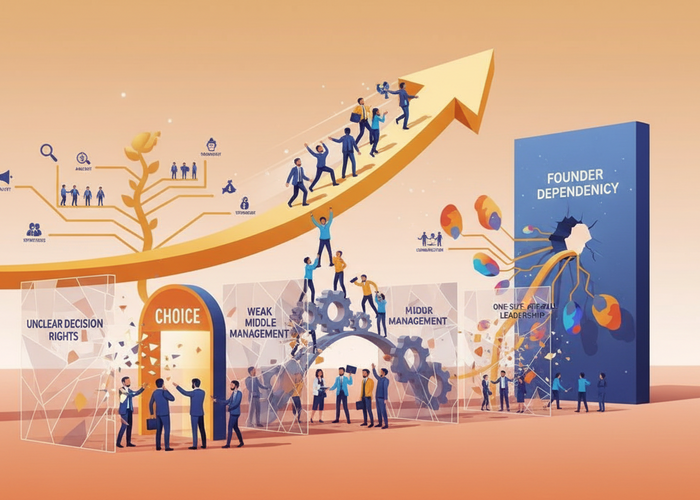
4 Hidden Leadership Bottlenecks Stalling Your G...
The real reason your startup isn’t scaling might not be the market — it’s your leadership blind s...

Repeat founder Ryan Williams raises $10M seed f...
A new AI startup is streamlining private credit operations with $10M in seed funding and a founde...

Why Regulated Businesses Have an Unfair Advanta...
Regulation isn’t slowing you down — it’s your secret advantage in AI search. Here’s how to use it.

TechCrunch Disrupt 2026’s biggest stage feature...
TechCrunch Disrupt 2026 brings together the biggest names in AI, hardware, and startups to answer...
0 comments