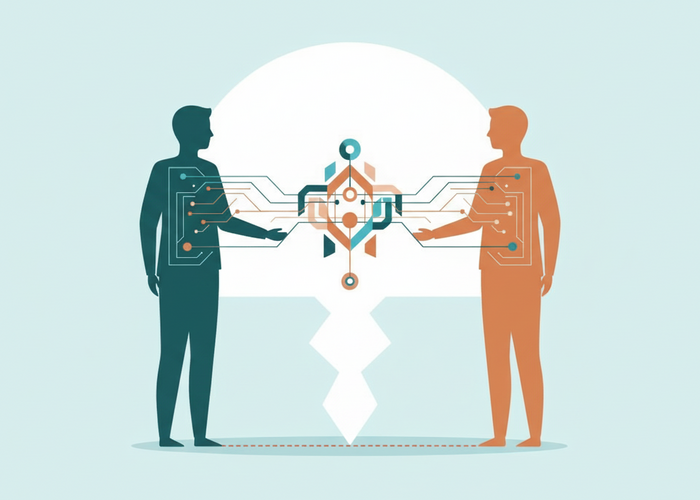
AI-generated image

Sustainability's boom-to-bust cycle should be a wake-up call for every founder chasing the next hot trend. This piece traces a fascinating arc: from the 2015 Paris Agreement momentum, through the 2022-2023 rush of companies slapping together ESG reports (often written by marketing teams, not scientists), to the sudden political reversal that gutted reporting requirements almost overnight. What strikes me most is how quickly an entire professional ecosystem — the Big Four's sustainability divisions, platforms like Workiva, armies of self-proclaimed "experts" — pivoted the moment the winds shifted.
The fair-weather fan analogy lands hard. The author, a lawyer who's been embedded in this space since 2020, compares the exodus from sustainability to AI as switching sports allegiances mid-season. It's a sharp way to frame what I see constantly in the startup world: professionals and even companies chasing whatever narrative investors and media are currently rewarding, rather than building genuine expertise or conviction around a mission.
What I find most compelling — and something entrepreneurs pitching sustainability or climate tech should sit with — is the irony buried in the piece. The very AI tools everyone rushed toward are massive energy and water consumers, arguably undermining the emissions goals sustainability reporting was designed to track. There's already chatter, including from Senator Elizabeth Warren, about applying sustainability-style reporting obligations to AI itself. That's not a footnote; that's a preview of the next regulatory battleground.
The legal angle deserves attention too. While U.S. and EU legislators roll back reporting mandates, international courts — via the ICJ's 2025 advisory opinion — are quietly building legal infrastructure that could force accountability through litigation rather than legislation. That's a slower, messier path, but it means the sustainability conversation isn't dead, just relocated to a different battlefield.
For founders and investors alike, the real lesson here isn't about sustainability or AI specifically — it's about durability. Trends cycle. Diehards remain. Whether you're building in climate tech, AI, or whatever comes next, the ability to weather the downturn matters more than riding the upswing. Give this one a full read — it's a smart cautionary tale about industries, hype cycles, and what happens when the crowd moves on.
This post has originally been written by Forbes Magazine on Fri, Jun 19, 26. Find the original post here at Forbes Magazine

Connie Harrell
Working as an analyst with investors and entrepreneurs to gain the best ROI possible.
Related Posts

What If Your Hiring Best Practices Aren’t Actua...
Your hiring 'best practices' might be screening out your best talent. Here's how to tell—and how ...
What I Got Wrong Sitting in Too Many Leadership...
Scaling isn’t about titles — it’s about trust, feedback, and knowing when to let go.

Forget Follower Count — Here’s How to Make Mone...
Stop chasing followers. Start building trust that converts.

Back-To-School: Why Entrepreneurs Never Really ...
There’s no graduation day in entrepreneurship—just constant evolution. Here’s how the most succes...

8 Academic Pathways for Entrepreneurs: Back You...
Experience gets you started. These 8 degrees help you scale.

How Entrepreneurship Helps Working Moms Achieve...
Can entrepreneurship give working moms the flexibility they need? Two franchise owners share how ...
0 comments