AI-generated image
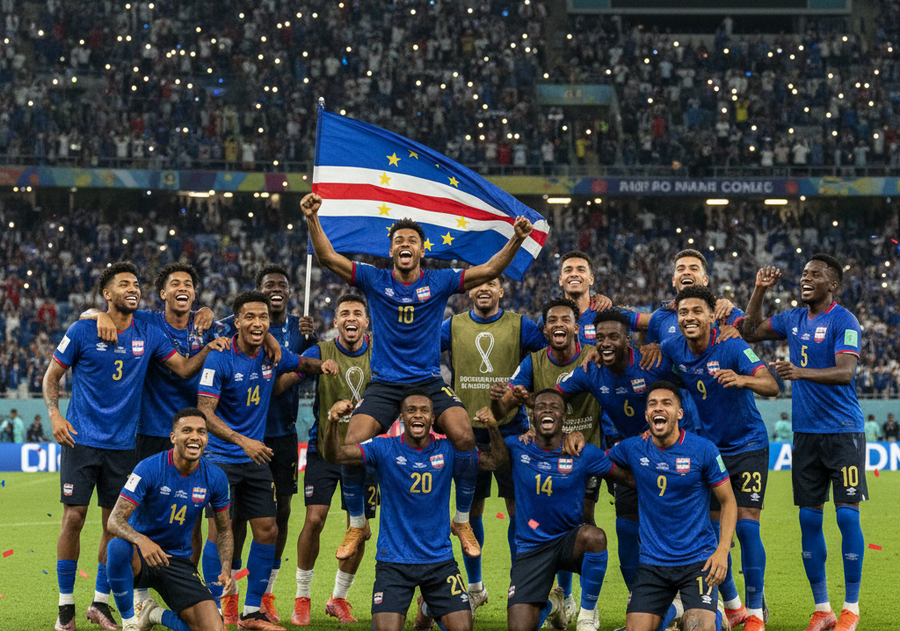
A 40-year-old backup goalkeeper from a nation of half a million people just shut out the reigning European champions — and there's a business lesson buried in that scoreline that most coverage will miss entirely.
This piece uses Cape Verde's improbable World Cup run to make a sharp argument: scarcity isn't the obstacle a small company overcomes, it's the engine that builds its actual competitive edge. Cape Verde isn't succeeding despite having almost nothing — it's succeeding because of it. Without deep squads or rotation options, the team was forced into a discipline that well-funded rivals never bother to build. One foul against Spain in ninety minutes. That's not heart. That's engineered precision born from having zero margin for error.
The article leans on Alex Lazarow's camel-versus-unicorn framework, and it lands. Unicorns are built for capital abundance; camels are built to survive drought. In my work with founders pitching into rooms full of investors, I see this exact tension play out constantly — the entrepreneur who apologizes for their limited runway instead of recognizing that the leanness forced on them is a discipline their better-funded competitor has no incentive to develop.
Two other points deserve real attention. First, the reframing of diaspora talent — players developed abroad in Portugal, Angola, Moldova — as a distributed asset rather than a loss to mourn. Founders in under-resourced markets often grieve the talent that leaves instead of organizing around it. Second, the asymmetry of expectation: the favorite has everything to protect and therefore plays scared, while the underdog has nothing to lose and plays free. Being underestimated is a position to play from, not just a slight to survive.
Where the piece is most useful is in reframing the goal entirely — it's not about outgrowing your constraints as fast as possible, it's about recognizing what those constraints are building in you and keeping that discipline even after the resources show up. That's advice I'd give any entrepreneur walking into a pitch meeting convinced their limited budget is a weakness rather than the thing sharpening their execution.
Go read the full piece — the Spain match alone is worth the ninety minutes, and the business argument holds up long after the final whistle.
This post has originally been written by Forbes Magazine on Tue, Jun 23, 26. Find the original post here at Forbes Magazine

Connie Harrell
Working as an analyst with investors and entrepreneurs to gain the best ROI possible.
Related Posts

What If Your Hiring Best Practices Aren’t Actua...
Your hiring 'best practices' might be screening out your best talent. Here's how to tell—and how ...

What I Got Wrong Sitting in Too Many Leadership...
Scaling isn’t about titles — it’s about trust, feedback, and knowing when to let go.

Forget Follower Count — Here’s How to Make Mone...
Stop chasing followers. Start building trust that converts.

Back-To-School: Why Entrepreneurs Never Really ...
There’s no graduation day in entrepreneurship—just constant evolution. Here’s how the most succes...

8 Academic Pathways for Entrepreneurs: Back You...
Experience gets you started. These 8 degrees help you scale.

How Entrepreneurship Helps Working Moms Achieve...
Can entrepreneurship give working moms the flexibility they need? Two franchise owners share how ...
0 comments