AI-generated image

Just because an AI model is technically superior doesn’t mean it deserves a spot in production. That 0.2% accuracy bump your data science team is celebrating? It might cost more in engineering hours, testing, and risk than it delivers in customer value. This piece cuts through the hype by exposing a quiet but costly fallacy in AI-driven businesses: equating model metrics with business outcomes.
In my experience coaching founders, I’ve seen teams rush to deploy minor model upgrades, treating every incremental gain like a milestone. But as the article emphasizes, real value lies not in the score on a test set, but in whether the improvement moves the needle on revenue, cost, speed, or customer experience. A fraud detection model gaining 0.2% recall could prevent millions in losses at scale—whereas a helpdesk summarizer with the same gain might go entirely unnoticed.
The four-question promotion gate is pure gold: Is the improvement tied to a business outcome? Will anyone actually notice? What’s the full cost of deployment? And does the benefit clearly outweigh that cost and risk? These aren’t just technical checkpoints—they’re strategic filters that force teams to think like investors, not just engineers.
One of the sharpest insights? Treating model promotion as an investment decision. That reframing alone can prevent wasted cycles and operational debt. At Keiretsu SoCal, we see startups dazzled by tech potential but underweight on execution discipline. This article is a masterclass in balancing innovation with pragmatism—something every founder scaling an AI product should internalize.
The next time your team flags a ‘better’ model, pause. Ask: Is it better enough? If the answer isn’t a clear yes, staying put might be the smarter move. For founders building capital-efficient, investor-ready businesses, that kind of discipline isn’t just smart—it’s essential.
Curious how to apply this rigor to your own AI roadmap? Dive into the full article—it’s a concise, data-backed guide to avoiding one of the most expensive blind spots in modern tech.
This post has originally been written by Entrepreneur.com on Sun, Sep 20, 26. Find the original post here at Entrepreneur.com

Connie Harrell
Working as an analyst with investors and entrepreneurs to gain the best ROI possible.
Related Posts

Your Products Could Be Invisible to ChatGPT. He...
Your product page might rank on Google but remain invisible to AI shoppers. Here's how to check i...
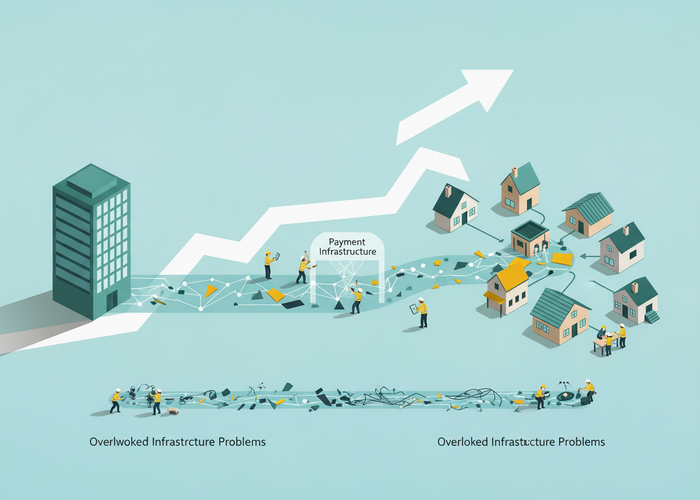
This Overlooked Infrastructure Problem Can Brea...
How outdated payment systems can silently sabotage growth — and what to do about it.
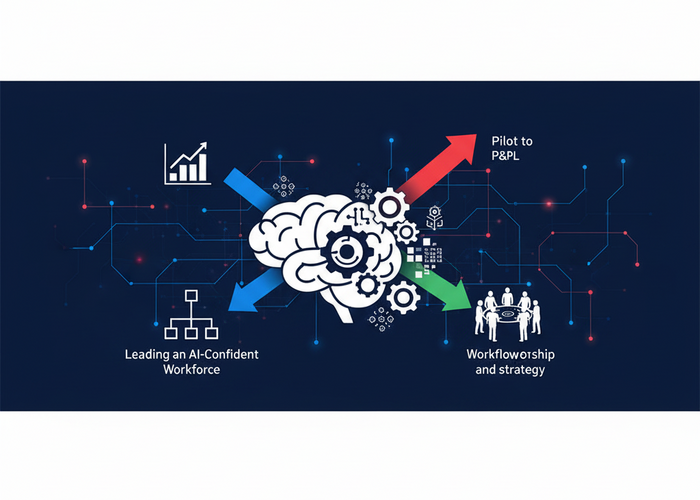
AI & The Next Economy Live
AI isn’t failing because of bad models — it’s failing because of unclear ownership. Here’s how le...

This Public Relations Firm Has Reached Its High...
Konnect Agency just hit #2 on Entrepreneur’s Top Franchise Supplier List—here’s how they’re redef...

AI Made Execution Easier. It Also Changed the F...
AI handles execution, but founders still own the judgment. Here’s why discernment is the new comp...

Why So Many Leaders Feel Stuck Despite Strong R...
Revenue is up, but momentum feels lost. Here’s why success without clarity can leave leaders stuck.
0 comments