AI-generated image
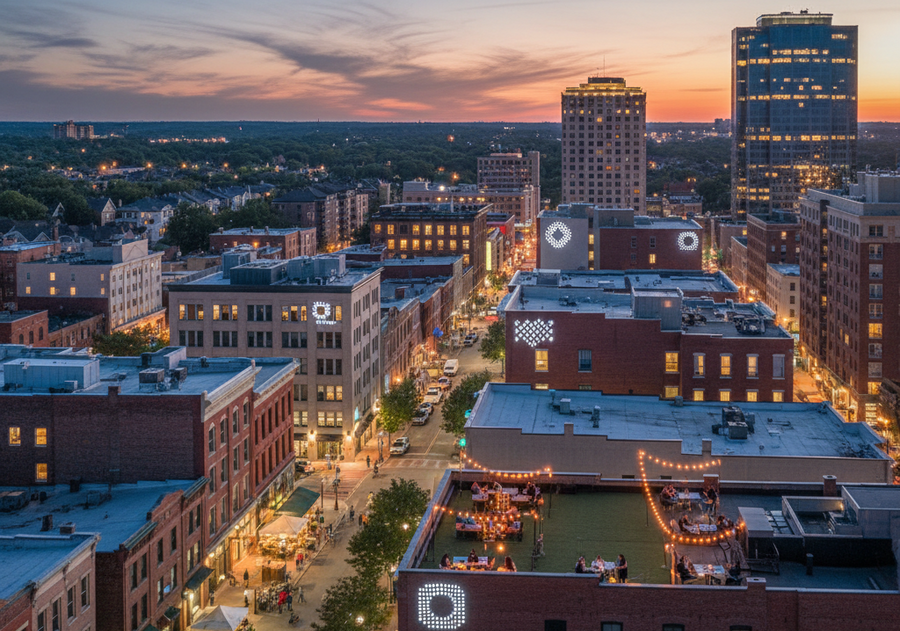
San Antonio at the top of the entrepreneurial city rankings? That’s not a typo — and it’s not a fluke. GoDaddy’s 2026 Most Entrepreneurial Cities report, now rolled out with Zillow, signals a seismic shift: the old startup geography is crumbling. Gone is the assumption that you must plant your flag in Silicon Valley, Austin, or New York to have a shot. The new reality? Entrepreneurs are thinking in terms of lifestyle, sustainability, and long-term viability — not just zip codes with venture capital density.
Digital-first businesses and remote work have unbundled entrepreneurship from location. As Alexandra Rosen from GoDaddy points out, today’s ventures aren’t just brick-and-mortar storefronts or traditional tech startups — they’re digital brands, side gigs, hybrid models running without a physical footprint. That means founders can choose cities based on more than just investor access; they’re weighing affordability, talent retention, infrastructure, and even happiness.
And look at the top markets: San Antonio, Tampa, El Paso, Albuquerque — places once on the periphery of the startup conversation. What do they share? Business-friendly policies, active founder networks, solid broadband, and yes — housing costs that don’t demand a second mortgage. That last point isn’t just personal finance; it’s business strategy. As Zillow’s Kara Ng highlights, affordable housing expands the talent pool and boosts local consumer spending. When rent isn’t eating half the paycheck, people can support small businesses — and stay employed longer.
This isn’t just about who’s moving where. It’s about a cultural reset. Founders now ask, 'Where can I build a life while building a company?' That subtle shift changes everything — from hiring to runway to customer base. And cities are responding. They’re no longer just hoping talent shows up; they’re simplifying permits, hosting founder events, and marketing their ecosystems.
The old guard still matters, no doubt. But the future of entrepreneurship is increasingly distributed. Success isn’t tied to proximity to Sand Hill Road — it’s about building something sustainable in a place that supports both growth and living well. For founders, that’s empowering. For investors and economic developers, it’s a wake-up call.
Curious which overlooked city just became the next launchpad? Read the full report — the pattern might surprise you.
This post has originally been written by Forbes Magazine on Wed, Jul 01, 26. Find the original post here at Forbes Magazine

Connie Harrell
Working as an analyst with investors and entrepreneurs to gain the best ROI possible.
Related Posts

What If Your Hiring Best Practices Aren’t Actua...
Your hiring 'best practices' might be screening out your best talent. Here's how to tell—and how ...

What I Got Wrong Sitting in Too Many Leadership...
Scaling isn’t about titles — it’s about trust, feedback, and knowing when to let go.

Forget Follower Count — Here’s How to Make Mone...
Stop chasing followers. Start building trust that converts.

Back-To-School: Why Entrepreneurs Never Really ...
There’s no graduation day in entrepreneurship—just constant evolution. Here’s how the most succes...

8 Academic Pathways for Entrepreneurs: Back You...
Experience gets you started. These 8 degrees help you scale.

How Entrepreneurship Helps Working Moms Achieve...
Can entrepreneurship give working moms the flexibility they need? Two franchise owners share how ...
0 comments