AI-generated image
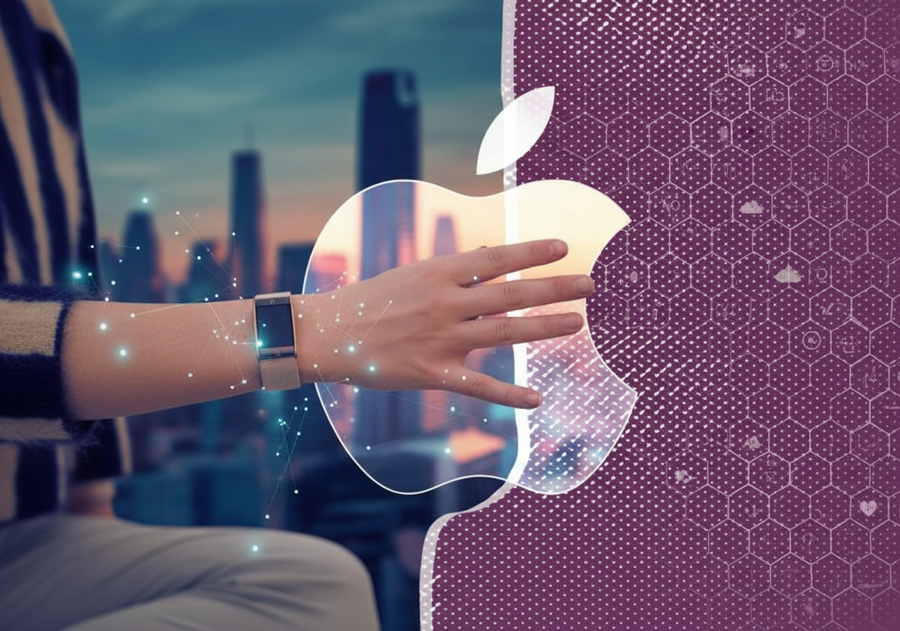
What happens when the giant stirs? Apple, already king of the smartwatch realm, is quietly prototyping a screenless wearable — a direct shot across the bow of Whoop and Oura. No display, no distractions: just pure, passive health monitoring woven into a sleek fabric strap. This isn’t just another gadget play; it’s a strategic move into a category that’s exploding, with screenless tracker sales up 88% year over year and smart ring sales nearly doubling.
The implications are real. Whoop and Oura built their brands on subscription-driven, insight-rich health tracking — no screen, all data. Now, Apple, with its unmatched ecosystem and engineering muscle, is testing the waters. Tim Cook and Eddy Cue are personally intrigued, and Cue — now overseeing health initiatives — already wears both a Whoop and an Oura. If Apple greenlights this, it won’t just enter the market; it could redefine it.
Timing, though, remains uncertain. This is still in the 'technology investigation' phase, with any potential launch not expected before 2028. But make no mistake: when a $5 trillion company starts looking over your shoulder, it’s a sign you’re onto something big. For startups in the health tech space, this is both a warning and an opportunity — innovation must accelerate, because the rules are about to change.
Curious how the underdogs might respond? Or what this means for health data privacy at scale? The full piece unpacks the quiet tension shaping the future of wearables.
This post has originally been written by Entrepreneur.com on Wed, Sep 23, 26. Find the original post here at Entrepreneur.com

Connie Harrell
Working as an analyst with investors and entrepreneurs to gain the best ROI possible.
Related Posts

How Entrepreneurship Helps Working Moms Achieve...
Can entrepreneurship give working moms the flexibility they need? Two franchise owners share how ...

The High School Researcher and Entrepreneur Who...
A high school student is using AI to bridge gaps in rural healthcare — not to replace doctors, bu...

Having the Latest AI Model Can Actually Be a Ba...
A better AI model isn’t always a better business move. Here’s how to know when an upgrade truly p...

Your Products Could Be Invisible to ChatGPT. He...
Your product page might rank on Google but remain invisible to AI shoppers. Here's how to check i...
This Overlooked Infrastructure Problem Can Brea...
How outdated payment systems can silently sabotage growth — and what to do about it.
AI & The Next Economy Live
AI isn’t failing because of bad models — it’s failing because of unclear ownership. Here’s how le...
0 comments